


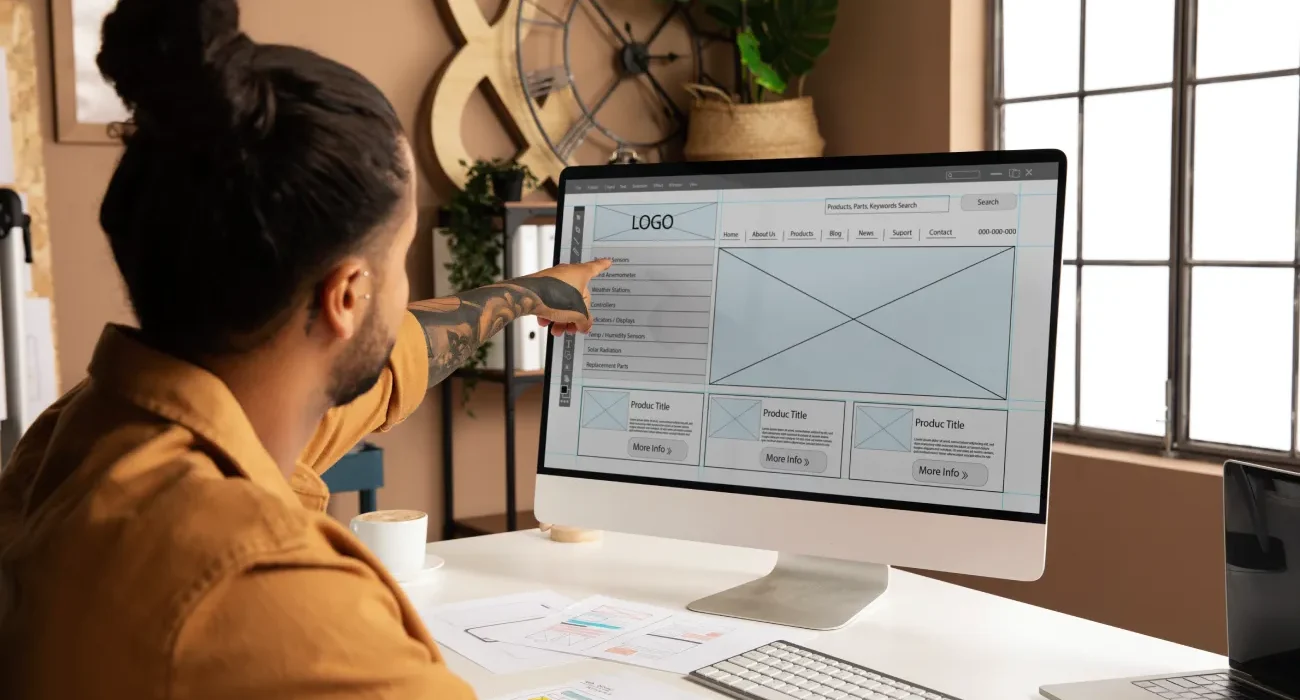
Your website is often the first impression customers have of your business. Whether someone finds you through Google, social media, or a referral, they are likely to visit your website before making a decision. If your website is difficult to use, slow to load, or looks outdated, potential customers may leave within seconds and choose a competitor instead.
A professional website should do more than look attractive. It should build trust, provide useful information, and encourage visitors to take action. Businesses that invest in quality website design Auckland solutions are often better positioned to generate enquiries, improve customer confidence, and increase online sales.
In this guide, we’ll explore the most common website design mistakes New Zealand businesses make and explain how avoiding them can improve your online performance.
Why Website Design Matters
A website is more than an online brochure. It is a valuable business tool that helps customers learn about your services, compare options, and decide whether to contact you.
An effective website can:
- Build credibility
- Improve customer trust
- Increase enquiries
- Support SEO performance
- Generate more sales
- Strengthen your brand
On the other hand, poor website design can cause visitors to leave before exploring your services.
Mistake #1: Slow Website Loading Speed
Speed is one of the most important factors affecting user experience.
Most visitors expect a website to load within a few seconds. If it takes too long, many will leave before viewing your content.
Slow websites often result from:
- Large image files
- Poor web hosting
- Too many plugins
- Unoptimised code
- Excessive animations
Improving website speed creates a better experience for visitors while also supporting search engine rankings.
Mistake #2: Poor Mobile Experience
Today, most people browse websites using smartphones or tablets.
If your website is difficult to use on mobile devices, customers may quickly move to another business.
A mobile-friendly website should:
- Display correctly on all screen sizes
- Use readable text
- Load quickly
- Have easy-to-click buttons
- Provide simple navigation
Responsive design is essential for modern websites.
Mistake #3: Confusing Navigation
Visitors should never struggle to find important information.
Complicated menus or unclear page structures create frustration and increase bounce rates.
Good navigation should help users quickly find:
- Services
- About Us
- Contact information
- Pricing (if available)
- FAQs
- Blog content
Simple navigation improves both user experience and SEO.
Mistake #4: Weak Calls to Action
Many websites provide useful information but fail to tell visitors what to do next.
Every important page should include a clear call to action.
Examples include:
- Request a free quote
- Book a consultation
- Contact our team
- Get started today
- Call now
Clear calls to action help convert visitors into customers.
Mistake #5: Outdated Design
An outdated website can negatively affect customer trust.
Visitors often judge a business based on its online appearance.
Signs of an outdated website include:
- Old design styles
- Poor-quality images
- Inconsistent branding
- Cluttered layouts
- Broken links
Refreshing your website regularly helps maintain a professional image.
Mistake #6: Too Much Text
Visitors rarely read every word on a webpage.
Large blocks of text can feel overwhelming.
Instead:
- Use short paragraphs.
- Break content into sections.
- Include headings.
- Use bullet points where appropriate.
Well-structured content makes information easier to understand.
Mistake #7: Poor Image Quality
Images strongly influence first impressions.
Low-quality or pixelated images can make even a good business appear less professional.
Use:
- High-resolution photos
- Authentic team images
- Project galleries
- Professional branding visuals
Real business images often perform better than generic stock photos.
Mistake #8: Ignoring SEO During Website Design
Many businesses focus only on appearance while overlooking search engine optimisation.
A beautiful website has limited value if customers cannot find it online.
SEO-friendly website design includes:
- Fast loading pages
- Mobile optimisation
- Clear page structure
- Optimised headings
- Internal linking
- Clean URLs
Combining website design with SEO helps improve visibility in search results.
Mistake #9: Inconsistent Branding
Your branding should remain consistent across every page.
This includes:
- Colours
- Fonts
- Logo placement
- Tone of voice
- Visual style
Consistency helps visitors recognise your business and builds trust.
Mistake #10: Complicated Contact Forms
Customers should be able to contact you easily.
Long forms asking unnecessary questions often reduce enquiries.
Keep forms simple by requesting only essential information such as:
- Name
- Phone number
- Message
The easier it is to get in touch, the more enquiries you’re likely to receive.
Mistake #11: No Trust Signals
People want reassurance before choosing a business.
Trust signals can include:
- Customer reviews
- Testimonials
- Awards
- Certifications
- Industry memberships
- Years of experience
Displaying these elements helps visitors feel more confident.
Mistake #12: Poor Accessibility
Accessible websites benefit all users.
Consider:
- Clear colour contrast
- Readable font sizes
- Alt text for images
- Keyboard-friendly navigation
- Descriptive headings
Accessibility improves usability while supporting SEO best practices.
Mistake #13: Forgetting About Website Maintenance
Launching a website is only the beginning.
Regular maintenance helps ensure your website remains:
- Secure
- Fast
- Accurate
- Functional
- Up to date
Routine updates reduce technical problems and improve long-term performance.
A Local New Zealand Example
Imagine a family-owned landscaping business in Hamilton with an outdated website that loads slowly and isn’t mobile-friendly.
After redesigning the website with faster loading speeds, improved navigation, modern branding, and clearer service pages, visitors begin spending more time on the site. Enquiries increase because customers can easily find information and submit quote requests.
This example shows that even relatively small design improvements can significantly enhance the customer experience and business results.
How Good Website Design Supports Business Growth
A professionally designed website helps businesses:
- Build stronger first impressions
- Increase customer confidence
- Improve conversion rates
- Support SEO efforts
- Generate more enquiries
- Strengthen brand recognition
Rather than treating website design as a one-time project, businesses should view it as an ongoing investment.
Combining Website Design with Digital Marketing
The most successful websites work alongside other digital marketing strategies.
Combining professional website design with SEO Services Auckland, Google Ads Management, and Digital Marketing Services creates a complete online strategy that helps businesses attract, engage, and convert more customers.
Each marketing channel supports the others, creating a stronger overall online presence.
Future Website Design Trends
Website design continues evolving as customer expectations change.
Businesses should prepare for:
- Faster page speeds
- Mobile-first experiences
- AI-assisted search
- Interactive content
- Improved accessibility
- Simpler navigation
Keeping your website current helps maintain a competitive advantage.
Ready to Improve Your Website?
Your website should work as one of your strongest sales tools, helping potential customers trust your business and take action.
Contact Top Rank Digital today to discover how our professional website design services can help your New Zealand business create a modern, high-performing website that delivers real results.
Frequently Asked Questions
A professional website improves credibility, enhances user experience, and encourages visitors to become customers.
Many businesses review their website every few years to ensure it remains modern, secure, and aligned with changing customer expectations.
Yes. Website speed, mobile responsiveness, navigation, and page structure all influence search engine rankings.
A good website is fast, easy to navigate, mobile-friendly, visually consistent, and focused on helping visitors find information quickly.
Yes. A well-designed website builds trust, improves user experience, and makes it easier for potential customers to contact your business.